
You are here : Home · Links · Pregnancy and Periodontal Disease
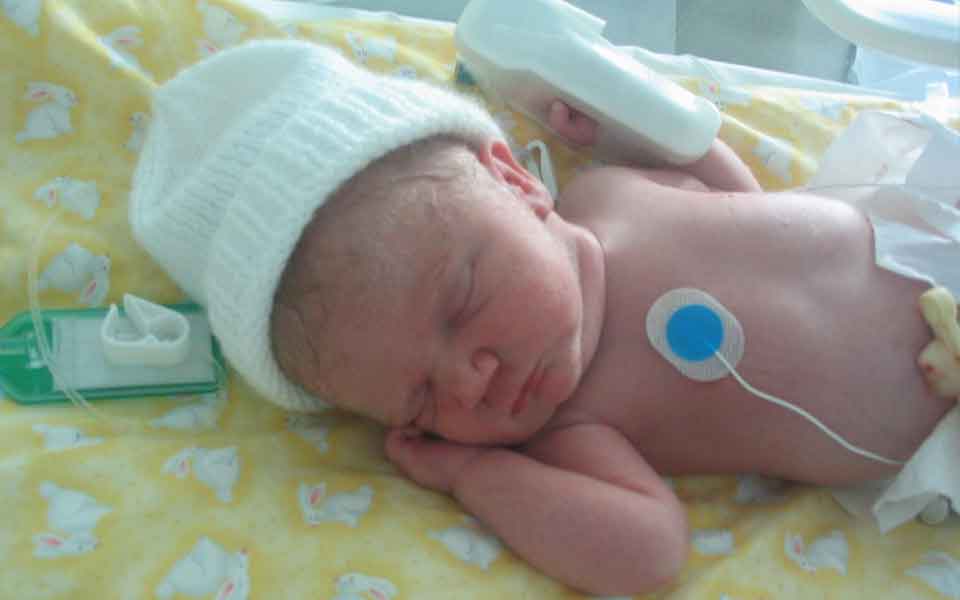
A nonsurgical dental procedure may reduce the risk of preterm birth in pregnant women with periodontal disease, according to new study findings. Nearly 12% of babies in this country are born preterm (before 37 completed weeks of pregnancy), which increases their risk of death and lasting disabilities, such as mental retardation, cerebral palsy, lung and gastrointestinal problems, and vision and hearing loss. The report was published in the Journal of Periodontology and is based on 366 pregnant women who had periodontitis. The blinded, controlled, randomized study compared 3 treatment groups: dental prophylaxis plus placebo, scaling and root planning plus placebo, and scaling and root planning plus metronidazole. The study found as much as an 84% reduction of premature births in women who were less than 35 weeks pregnant and who received scaling and root planning. Researchers also found that adjunctive metronidazole therapy did not improve pregnancy outcome. In fact, women who were given the antibiotic after scaling and root planning had more preterm births than patients receiving scaling and root planning and a placebo.
Women who are already pregnant when periodontal disease is detected are ideally treated with scaling and root planning in the second trimester, which is a pragmatic protocol according to most Ob-Gyn specialists. Previous research reported that periodontal infections cause a faster-than-normal increase in the levels of prostaglandin and tumor necrosis factor molecules that induce labor, thus causing premature delivery before the fetus can grow to a normal birth weight. However, this is the first intervention study that offers advice on reducing the risk of premature births with scaling and root planning therapy alone. (Source: The Academy of Periodontology, August 2003)
Joel C. Scalera D.D.S., P.A. © Copyright 2016. All Rights Reserved.